In which foods is iron found?
Iron is one of the most integral nutrients that our body needs. There must be adequate amounts of iron in your daily food intake, as it is very essential for adults and growing children.
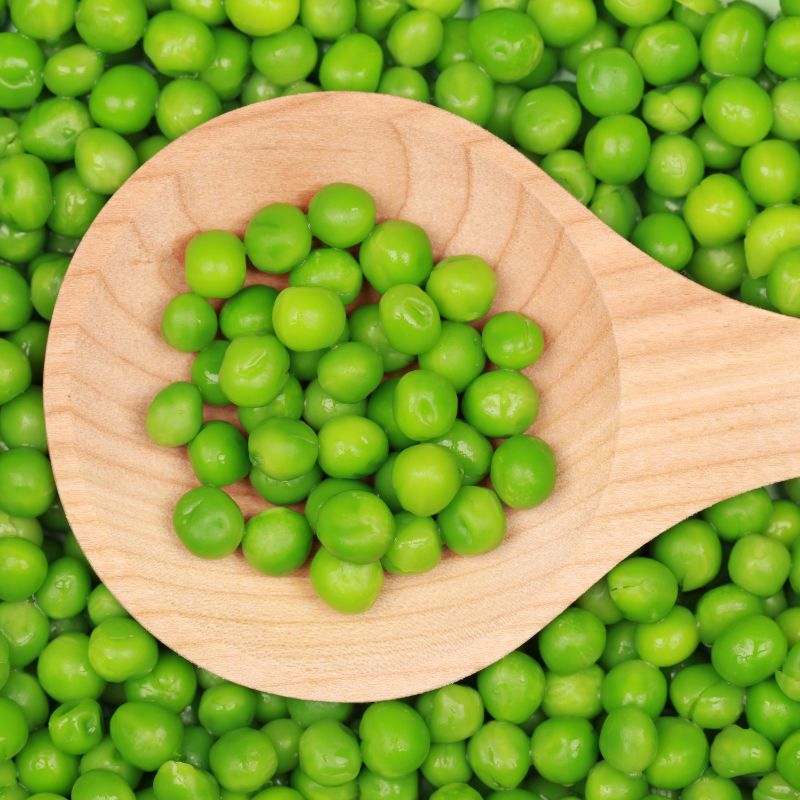
Some examples of foods that contain iron are spinach, peas, eggs, whole grains such as quinoa, and whole grain bread.
If you are confused and looking all over the internet about what foods contain iron, you have come to the right place.
In this blog, we will answer all your queries regarding iron, its deficiency symptoms, food sources rich in iron, and whether it is safe to take iron supplements or not. So let’s begin.
Which drinks have a high iron content?
If you do not like eating certain vegetables or fruits that are rich in iron, what you can do is have them in the form of drinks. You can make soups, juices, and smoothies using these fruits and vegetables.
You can make delicious soup using spinach and tomatoes, which are rich in iron and vitamin C.
Similarly, you can combine strawberries and raspberries to make an awesome, tasty juice that will be rich in iron too. Similarly, you can use strawberries and nuts to make healthy and delicious smoothies.
Which foods contain a lot of iron?
Why do we need iron?
Iron is responsible for the production of hemoglobin in the body. The function of hemoglobin is to carry oxygen from the lungs to different parts of the body.
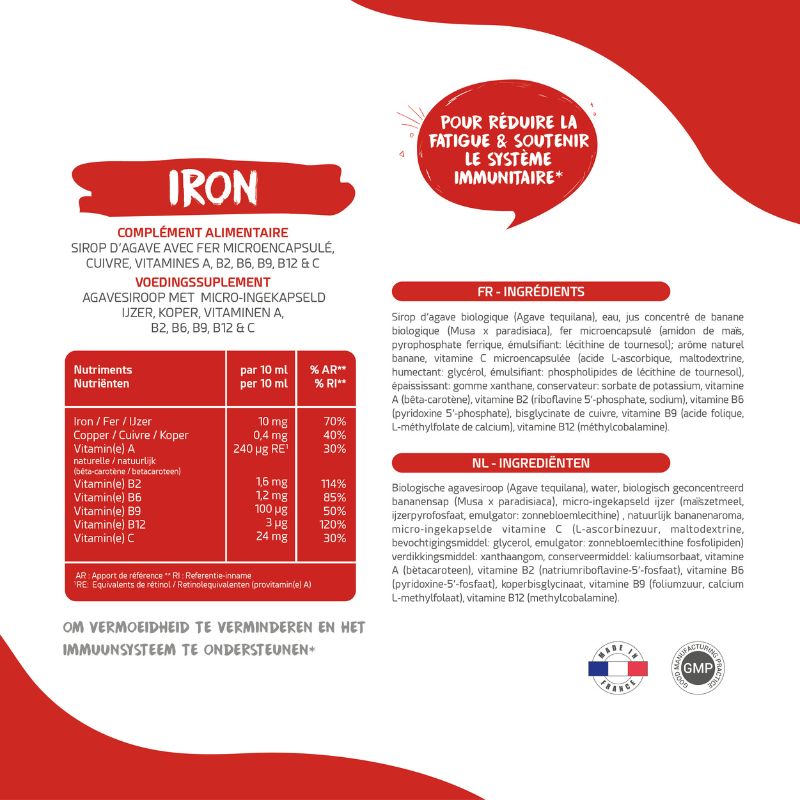
Apart from this, there are several other benefits of iron, like how it helps in fatigue reduction and supports immunity development in children and adults.
Iron also supports cognitive development in children and is responsible for energy metabolism in the body.
Which fruits contain iron?
There are abundant fruits that are quite rich in iron content; these are strawberries, raspberries, watermelon, dates, dried apricots, and dried peaches.
Some of the above fruits are rich in iron but also have a good amount of sugar, so it is advisable to consume them in moderate amounts.
If you are someone who does not like fruits much, then you can also get your iron by consuming oats, corn meal, whole grain breads, and wheat products.

What are the symptoms of iron deficiency?
The deficiency of iron in the human body causes anemia. The symptoms of anemia are laziness or a lack of energy in the body, tiredness, or fatigue. If you suffer from headaches after an activity, that can also be due to a deficiency of iron in the body.
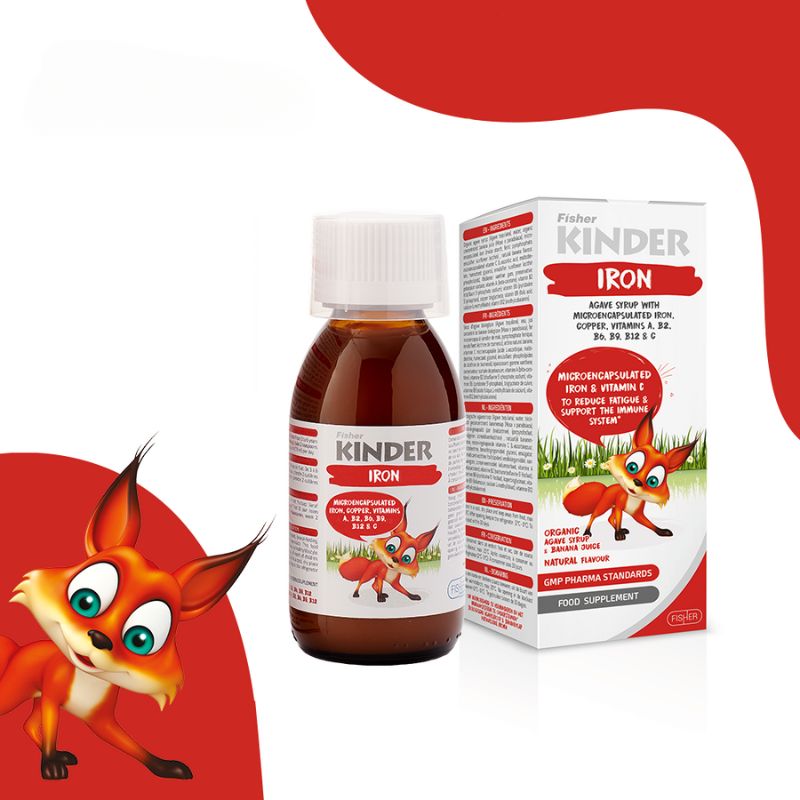
If you or your family’s food intake lacks iron-rich foods, then it is advisable to take iron supplements. Iron supplements can also be given to children and are completely safe.
Make sure to not exceed the daily dosage mentioned in the packaging, and always read the packaging carefully before consuming the product.
Foods rich in iron and B12
The function of iron in the body is to help in the creation of hemoglobin, which is a protein responsible for distributing oxygen from the lungs to different parts of the body. Iron deficiency can result in anemia.
Vitamin B12 helps in making red blood cells and helps in the absorption of folic acid. Lack of vitamin B12 can also cause anemia.
The foods that have a good quantity of iron and vitamin B12 are eggs, chicken, beef, and pork. Iron and B12 are also present in fish like trout and bluefish.
If you are consuming iron-rich food, you must include vegetables and fruits rich in vitamin C, as vitamin C helps in the absorption of iron.
Conclusion
What foods are rich in iron? What foods contain iron? I hope you have found the answer to these questions in the above article.
Let’s summaries: vegetables rich in iron are spinach, green beans, peas, broccoli, collards, kale, chard, and asparagus. Fruits with rich iron content are watermelons, strawberries, raspberries, dried apricots, and nuts.
Apart from this, iron is also found in eggs, chicken, meat, and sea foods like tuna and shrimp.